
图书介绍
英汉语篇跨文化修辞研究pdf电子书版本下载
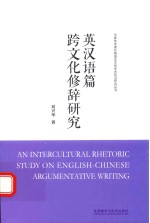
- 刘兴华著 著
- 出版社: 北京:外语教学与研究出版社
- ISBN:9787513564489
- 出版时间:2015
- 标注页数:228页
- 文件大小:22MB
- 文件页数:244页
- 主题词:英语-修辞-对比研究-汉语
PDF下载
下载说明
英汉语篇跨文化修辞研究PDF格式电子书版下载
下载的文件为RAR压缩包。需要使用解压软件进行解压得到PDF格式图书。建议使用BT下载工具Free Download Manager进行下载,简称FDM(免费,没有广告,支持多平台)。本站资源全部打包为BT种子。所以需要使用专业的BT下载软件进行下载。如 BitComet qBittorrent uTorrent等BT下载工具。迅雷目前由于本站不是热门资源。不推荐使用!后期资源热门了。安装了迅雷也可以迅雷进行下载!
(文件页数 要大于 标注页数,上中下等多册电子书除外)
注意:本站所有压缩包均有解压码: 点击下载压缩包解压工具
图书目录
Chapter 1 Intercultural Rhetoric Revisited 1
1.1 Introduction 1
1.2 The relationship between L1 and L2 writing 2
1.3 Theoretical conceptualization of intercultural rhetoric 5
1.4 Development and challenges of intercultural rhetoric research 9
1.5 Summary 12
Chapter 2 A Multidimensional and Ecological Approach to Intercultural Rhetoric Studies 13
2.1 Introduction 13
2.2 Research focus 14
2.3 Research methods 16
2.4 Explanatory factors 19
2.5 Summary 21
Chapter 3 Situating Intercultural Rhetoric Research Within Systemic Functional Linguistics 22
3.1 Introduction 22
3.2 Tri-stratal model of language 23
3.3 Metafunctions of language 25
3.4 Genre schools 25
3.5 SFL genre studies 27
3.6 Arguing genre from an SFL perspective 28
3.7 APPRAISAL theory 32
3.7.1 ATTITUDE system 33
3.7.2 ENGAGEMENT system 36
3.7.3 GRADUATION 39
3.8 Summary 41
Chapter 4 Contrasting English-Chinese Written Discourse:A Case Study 42
4.1 Introduction 42
4.2 Qi-Cheng-Zhuan-He rhetorical structure 42
4.3 Ba Gu Wen(eight-legged essay) 49
4.4 Inductiveness(indirectness)vs.deductiveness (directness) 54
4.5 Critical stance and personal voice 58
4.6 Research gaps in English-Chinese contrastive studies 61
4.7 Methodology 64
4.7.1 Preparation of research tools 66
4.7.2 Piloting of research tools 68
4.7.3 The formal investigation 71
4.7.4 Chinese English-majors'English(CEE)and Chinese(CEC)writing 72
4.7.5 Good Chinese writing (CC) 76
4.7.6 Good English writing (EE) 77
4.7.7 Examination of Chinese and English writing manuals 78
4.7.8 Structure analysis of students'texts 80
4.7.9 Identification of thesis statement and topic sentences 81
4.7.10 Placement of thesis statement and topic sentences 83
4.7.11 Topic sentence/paragraph ratio(T/P value) 84
4.7.12 Identification of introduction and conclusion paragraphs 85
4.7.13 Schematic analysis 86
4.7.14 Identification of Qi-Cheng-Zhuan-He rhetorical structure 90
4.7.15 Analyzing Engagement resources 90
4.7.16 Validity and reliability of Appraisal coding 94
4.7.17 Parsing Chinese lexical items for CEC and CC 95
4.7.18 Multidimensional view of comparisons 97
4.8 Summary 99
Chapter 5 Structural Analysis 100
5.1 Introduction 100
5.2 Thesis statement 101
5.2.1 Comparison of native-speakers'writing:EE and CC 101
5.2.2 A cross-cultural comparison between EE and CEE 102
5.2.3 A within-language comparison between CC and CEC 104
5.2.4 A within-subject comparison between CEE and CEC 105
5.3 Topic sentences 106
5.3.1 Comparison of native speakers'writing:EE and CC 106
5.3.2 A cross-cultural comparison between EE and CEE 109
5.3.3 A within-language comparison between CC and CEC 112
5.3.4 A within-subject comparison between CEE and CEC 114
5.4 Methods of writing an introduction 115
5.4.1 Comparison of native-speakers'writing:EE and CC 116
5.4.2 A cross-cultural comparison between EE and CEE 120
5.4.3 A within-language comparison between CC and CEC 122
5.4.4 A within-subject comparison between CEE and CEC 123
5.5 Methods of writing a conclusion 125
5.5.1 Comparison of native-speakers'writing:EE and CC 126
5.5.2 A cross-cultural comparison between EE and CEE 129
5.5.3 A within-language comparison between CC and CEC 130
5.5.4 A within-subject comparison between CEE and CEC 131
5.6 Qi-Cheng-Zhuan-He rhetorical structure 133
5.6.1 Qi-Cheng-Zhuan-He rhetorical structure in EE 133
5.6.2 Qi-Cheng-Zhuan-He rhetorical structure in CC 136
5.6.3 Qi-Cheng-Zhuan-He rhetorical structure in CEE 139
5.6.4 Qi-Cheng-Zhuan-He rhetorical structure in CEC 142
5.7 Summary 145
Chapter 6 Engagement Analysis 149
6.1 Introduction 149
6.2 Comparison of native-speakers'writing:EE and CC 149
6.2.1 Monogloss and Heterogloss 149
6.2.2 Heterogloss subcategories 150
6.3 A cross-cultural comparison between EE and CEE 156
6.3.1 Monogloss and Heterogloss 156
6.3.2 Heterogloss subcategories 158
6.4 A within-language comparison between CC and CEC 163
6.4.1 Monogloss and Heterogloss 163
6.4.2 Heterogloss subcategories 163
6.5 A within-subject comparison between CEE and CEC 167
6.5.1 Monogloss and Heterogloss 167
6.5.2 Heterogloss subcategories 168
6.6 Summary 171
Chapter 7 Conclusion 173
7.1 Introduction 173
7.2 The study revisited 173
7.3 Summary of results 175
7.3.1 Structural analysis 175
7.3.2 Engagement analysis 178
7.4 Theoretical implication:Towards a multi-dimensional and ecological view ofcontrastive rhetoric 179
7.5 Pedagogical implications:A two-stage genre-based writing pedagogy 181
7.6 Evaluation of the research 188
7.6.1 Contributions of the study 188
7.6.2 Limitations of the study 189
7.7 Suggestions for future research 190
References 192
Appendices 209
Appendix A Potential Topics 209
Appendix B Writing Instructions 210
Appendix C Discourse-based Interview Questions(Writing Process Questionnaire Questions) 211
Appendix D English Writing Experience Questionnaire for CEE(English Version) 212
Appendix E Chinese Writing Experience Questionnaire for CEC and CC 219
Appendix F English Writing Experience Questionnaire for EE 223
Appendix G TEM4 Writing Rating Rubric for CEE(NACFLT,2004) 227
Appendix H CC Rating Rubric 228