
图书介绍
语言教学教程 实践与理论pdf电子书版本下载
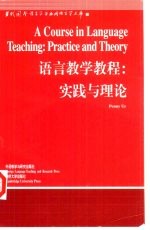
- (英)Penny Ur著;吴一安导读 著
- 出版社: 北京:外语教学与研究出版社
- ISBN:756002050X
- 出版时间:2000
- 标注页数:380页
- 文件大小:16MB
- 文件页数:409页
- 主题词:
PDF下载
下载说明
语言教学教程 实践与理论PDF格式电子书版下载
下载的文件为RAR压缩包。需要使用解压软件进行解压得到PDF格式图书。建议使用BT下载工具Free Download Manager进行下载,简称FDM(免费,没有广告,支持多平台)。本站资源全部打包为BT种子。所以需要使用专业的BT下载软件进行下载。如 BitComet qBittorrent uTorrent等BT下载工具。迅雷目前由于本站不是热门资源。不推荐使用!后期资源热门了。安装了迅雷也可以迅雷进行下载!
(文件页数 要大于 标注页数,上中下等多册电子书除外)
注意:本站所有压缩包均有解压码: 点击下载压缩包解压工具
图书目录
Introduction 1
ContentsPreface by Halliday 9
王宗炎序 10
Part Ⅰ The teaching process 10
Module 1:Presentations and explanationsUnit One:Effective presentation 11
导读 13
Unit Two:Examples of presentation procedures 13
Unit Three:Explanations and instructions 16
Module 2:Practice activitiesUnit One:The function of practice 19
Unit Two:Characteristics of a good practice activity 21
Unit Three:Practice techniques 24
Acknowledgements 25
Unit Four:Sequence and progression in practice 27
Read this first:To the(trainee)teacher 27
To the trainer 28
Module 3:TestsUnit One:What are tests for? 33
Unit Two:Basic concepts;the test experience 35
Unit Three:Types of test elicitation techniques 37
Unit Four:Designing a test 41
Unit Five:Test administration 42
Part Ⅱ Teaching the language(1):The ‘what’ 46
Module 4:Teaching PronunciationUnit One:What does teaching pronunciation involve? 47
Unit Two:Listening to accents 50
Unit Three:Improving learners’pronunciation 52
Unit Four:Further topics for discussion 54
Unit Five:Pronunciation and spelling 56
Module 5:Teaching vocabularyUnit One:What is vocabulary and what needs to be taught? 60
Unit Two:Presenting new vocabulary 63
Unit Three:Remembering vocabulary 64
Unit Four:Ideas for vocabulary work in the classroom 68
Unit Five:Testing vocabulary 69
Module 6:Teaching grammarUnit One:What is grammar? 75
Unit Two:The place of grammar teaching 76
Unit Three:Grammatical terms 78
Unit Four:Presenting and explaining grammar 81
Unit Five:Grammar practice activities 83
Unit Six:Grammatical mistakes 85
Module 7:Topics,situations,notions,functionsUnit One:Topics and situations 90
Unit Two:What ARE notions and functions? 92
Unit Three:Teaching chunks of language:from text to task 93
Unit Four:Teaching chunks of language:from task to text 96
Unit Five:Combining different kinds of language segments 98
Part Ⅲ Tesching the language(2):The‘how’ 103
Module 8:Teaching listeningUnit One:What does real-life listening involve? 105
Unit Two:Real-life listening in the classroom 107
Unit Three:Learner problems 111
Unit Four:Types of activities 112
Unit Five:Adapting activities 115
Module 9:Teaching speakingUnit One:Successful oral fluency practice 120
Unit Two:The functions of topic and task 122
Unit Three:Discussion activities 124
Unit Four:Other kinds of spoken interaction 129
Unit Five:Role play and related techniques 131
Unit Six:Oral testing 133
Module 10:Teaching reading 138
UnitOne:How dowe read? 138
Unit Two:Beginning reading 141
Unit Three:Types of reading activities 143
Unit Four:Improving reading skills 147
Unit Five:Advanced reading 150
Module 11:Teaching writingUnit Ohe:Written versus spoken text 159
Unit Two:Teaching procedures 162
Unit Three:Tasks that stimulate writing 164
Unit Four:The process of conposition 167
Unit Five:Giving ffedback on writing 170
Part Ⅳ Course content 175
Module 12:The syllabusUnit One:What is a svllabts? 176
Unit Two:Different types of language syllabus 177
Unit Three:Using the syllabus 179
Module 13:MaterialsUnit One:How necessary is a coursebook? 183
Unit Two:Coursebook assessment 184
Unit Three:Using a cou rsebook 187
Unit Four:Supplementary materials 189
Unit Five:Teacher-made worksheets and workcards 192
Module 14:Topic contentUnit One:Different kinds of content 197
Unit Two:Underlying messages 199
Unit Three:Literature(1):should it be included in the course? 200
Unit Four:Literature(2):teaching ideas 202
Unit Five:Literature(3):teaching a specific text 206
Part Ⅳ Lessons 212
Module 15:Lesson planningUnit One:What does a lesson involve? 213
Unit Two:Lesson preparation 215
Unit Three:Varying lesson components 216
Unit Four:Evaluating lesson effectiveness 219
Unit Five:Practical lesson management 222
Module 16:Classroom interactionUnit One:Patterns of classroom interaction 227
Unit Two:Questioning 229
Unit Thrce:Group work 232
Unit Four:Individualization 233
Unit Five:The selection of appropriate activation techniques 237
Module 17:Giving feedbackUnit One:Different approaches to the nature and function of feedback 242
Unit Two:Assessment 244
Unit Three:Correcting mistakes in oral work 246
Unit Four:Written feedback 250
Unit Five:Clarifying personal attitudes 253
Module 18:Classroom disciplineUnit One:What is discipline? 259
Unit Two:What does a disciplined classroom look like? 260
Unit Three:What teacher action is conducive to a disciplined classroom? 262
Unit Four:Dealing with discipline problems 264
Unit Five:Discipline problems:episodes 267
Part Ⅵ Learner differences 273
Module 19:Learner motivation and interestUnit One:Motivation:some background thinking 274
Unit Two:The teacher’s responsibility 276
Unit Three:Extrinsic motivation 277
Unit Four:Intrinsic motivation and interest 280
Unit Five:Fluctuations in learner interest 282
Module 20:Younger and older learnersUnit One:What difference does age make to language learning? 286
Unit Two:Teaching children 288
Unit Three:Teaching adolescents:student preferences 290
Unit Four:Teaching adults:a different relationship 294
Module 21:Large heterogeneous classesUnit One:Defining terms 302
Unit Two:Problems and advantages 303
Unit Three:Teaching strategies(1):compulsory+optional 307
Unit Four:Teaching strategies(2):open-ending 309
Unit Five:Designing your own activities 312
Part Ⅶ And beyond 317
Module 22:And beyondUnit One:Teacher development:practice,reflection,sharing 318
Unit Two:Teacher appraisal 322
Unit Three:Advancing further(1):intake 324
Unit Four:Advancing further(2):output 327
Trainer’s notes 333
Bibliography 360
Index 367
文库索引 376