
图书介绍
冲突碰撞与趋同下的中西文化pdf电子书版本下载
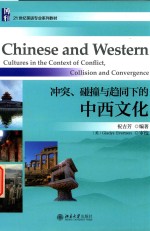
- 祝吉芳编著 著
- 出版社:
- ISBN:
- 出版时间:2016
- 标注页数:0页
- 文件大小:45MB
- 文件页数:321页
- 主题词:
PDF下载
下载说明
冲突碰撞与趋同下的中西文化PDF格式电子书版下载
下载的文件为RAR压缩包。需要使用解压软件进行解压得到PDF格式图书。建议使用BT下载工具Free Download Manager进行下载,简称FDM(免费,没有广告,支持多平台)。本站资源全部打包为BT种子。所以需要使用专业的BT下载软件进行下载。如 BitComet qBittorrent uTorrent等BT下载工具。迅雷目前由于本站不是热门资源。不推荐使用!后期资源热门了。安装了迅雷也可以迅雷进行下载!
(文件页数 要大于 标注页数,上中下等多册电子书除外)
注意:本站所有压缩包均有解压码: 点击下载压缩包解压工具
图书目录
Foreword 1
Part Ⅰ East and West 2
Unit 1 Why Contrasting Chinese and Western Cultures? 2
Ⅰ Ancient Civilizations and Cultures 2
Ⅱ Cross-cultural Comparative Studies in China 4
Ⅲ Imperatives for Contrasting Chinese and Western Cultures 7
Ⅳ Key Concepts 11
Unit 2 Traditional Characteristics of Chinese and Western Cultures 14
Ⅰ “There Are All Kinds of Birds When a Forest Gets Large” 15
Ⅱ Traditional Chinese Cultural Characteristics 17
Ⅲ Traditional Western Cultural Characteristics 24
Unit 3 Affinities Across Cultures 29
Ⅰ An Unexpected Affinity 30
Ⅱ Reading for More Cultural Affinities 30
Ⅲ Key Concepts 38
Part Ⅱ Cultural Differences in Silent Languages 43
Unit 4 Time 43
Ⅰ Time in China and the West 44
Ⅱ Two Time Modes 48
Ⅲ Past-oriented Societies vs.Future-oriented Societies 54
Ⅳ Two Time Orientations 57
Unit 5 Space 61
Ⅰ Spatial Language 62
Ⅱ Spatial Language and Culture 65
Ⅲ Spatial Language and Life 71
Ⅳ Changes We Cannot Afford 73
Unit 6 Smiles,Nods and Silence 75
Ⅰ Smiles 75
Ⅱ Nods 80
Ⅲ Silence 82
Part Ⅲ Cultural Differences in Thinking 89
Unit 7 Intuitive vs.Logical Thinking 89
Ⅰ Definitions of Intuitive and Logical Thinking 89
Ⅱ Philosophy and Thinking 90
Ⅲ Application of Two Thinking Modes 94
Ⅳ Impact of Thinking Modes on Writings 98
Ⅴ Logic in China and Intuition in the West 100
Unit 8 Dialectical vs.Analytical Reasoning 104
Ⅰ Proverb Preferences Across Cultures 104
Ⅱ Dialectical Reasoning 105
Ⅲ Analytical Reasoning 109
Ⅳ More About Two Reasoning Modes 113
Unit 9 Holistic vs.Atomistic Visions 116
Ⅰ A Detention Room Incident 116
Ⅱ Prominent Attributes of Holistic and Atomistic Visions 117
Ⅲ Vision and Cognition 122
Ⅳ Vision and Language 123
Ⅴ Zhengshan Xiaozhong and Lipton Black Tea 128
Unit 10 Categorizing Objects by Relationships vs.by Attributes 131
Ⅰ Two Ways to Categorize One Person 132
Ⅱ Principles to Categorize Objects 133
Ⅲ How to Categorize Objects and Why 135
Ⅳ Impacts of Different Ways of Categorization 137
Ⅴ Causal Attribution Differences Arising out of Different Categorization Ways 140
Unit 11 Non-controllers vs.Controllers 143
Ⅰ Too Early to Tell 144
Ⅱ Why So Different Stances Towards Life? 144
Ⅲ “Being”and“Doing”Cultures 149
Ⅳ Manifestations of“Being”Culture and“Doing”Culture 153
Part Ⅳ Different Cultural Orientations 160
Unit 12 The Introvert-oriented vs.the Extrovert-oriented 160
Ⅰ Personality Types 160
Ⅱ Personality Types of Cultures 162
Ⅲ Effects of Personality Types on Pattern Preferences 166
Ⅳ A Contrast of Cultural Phenomena 171
Ⅴ The Trend of the Introvert-oriented Culture 175
Unit 13 Collectivism vs.Individualism 177
Ⅰ An Embarrassing Habit 177
Ⅱ Collectivism and Individualism as Cultural Orientations 179
Ⅲ Collectivism and Individualism in Cultural Anthropology 183
Ⅳ Collectivist and Individualist Perspectives of“Self” 185
Ⅴ Interdependence vs.Independence 189
Unit 14 Femininity vs.Masculinity 193
Ⅰ Gender Traits 193
Ⅱ Feminine Chinese Culture 195
Ⅲ Masculine Western Culture 201
Ⅳ Why So Different? 205
Ⅴ The Trend of Cultures and Its Potential Impact 208
Unit 15 Advocacy of Jing vs.Dong 211
Ⅰ Introduction to Two Concepts 211
Ⅱ Jing Advocacy of China 213
Ⅲ Dong Advocacy of the West 221
Ⅳ Differences and Discomforts 225
Unit 16 Implicitness vs.Explicitness 229
Ⅰ “Half a Story” 229
Ⅱ Implicitness and Explicitness of Language 231
Ⅲ Implicit Chinese 234
Ⅳ Explicit Westerners 241
Ⅴ High Context vs.Low Context 244
Ⅵ “Chicken and Duck Talk” 247
Part Ⅴ Different Cultural Standards 253
Unit 17 Peace vs.Conflict 253
Ⅰ Great Names and Different Cultural Standards 253
Ⅱ External Factors and Cultural Standards 258
Ⅲ Cultural Standards and Their Unique Products 260
Ⅳ Better Ways to Know Each Other 265
Unit 18 Egalitarian and Inegalitarian Distribution 268
Ⅰ Hate-the-rich Mentality 268
Ⅱ Chinese-style Egalitarianism 269
Ⅲ Western-style Inegalitarianism 272
Ⅳ Egalitarianism and Inegalitarianism in China and the West 274
Unit 19 Good vs.Evil Human Nature 279
Ⅰ Key Concepts 280
Ⅱ Human Nature and Education 281
Ⅲ Theorization of Assumptions About Human Nature 283
Ⅳ Human Nature Theories and the Rule of Ethics vs.Law 288
Unit 20 Rule of Individuals vs.Rule of Law 290
Ⅰ An Unexpected Complaint 290
Ⅱ Rule of Individuals in Traditional Chinese Thought 291
Ⅲ Rule of Law in Western Thought 296
Ⅳ Rule of Law in China 300
Bibliography 305